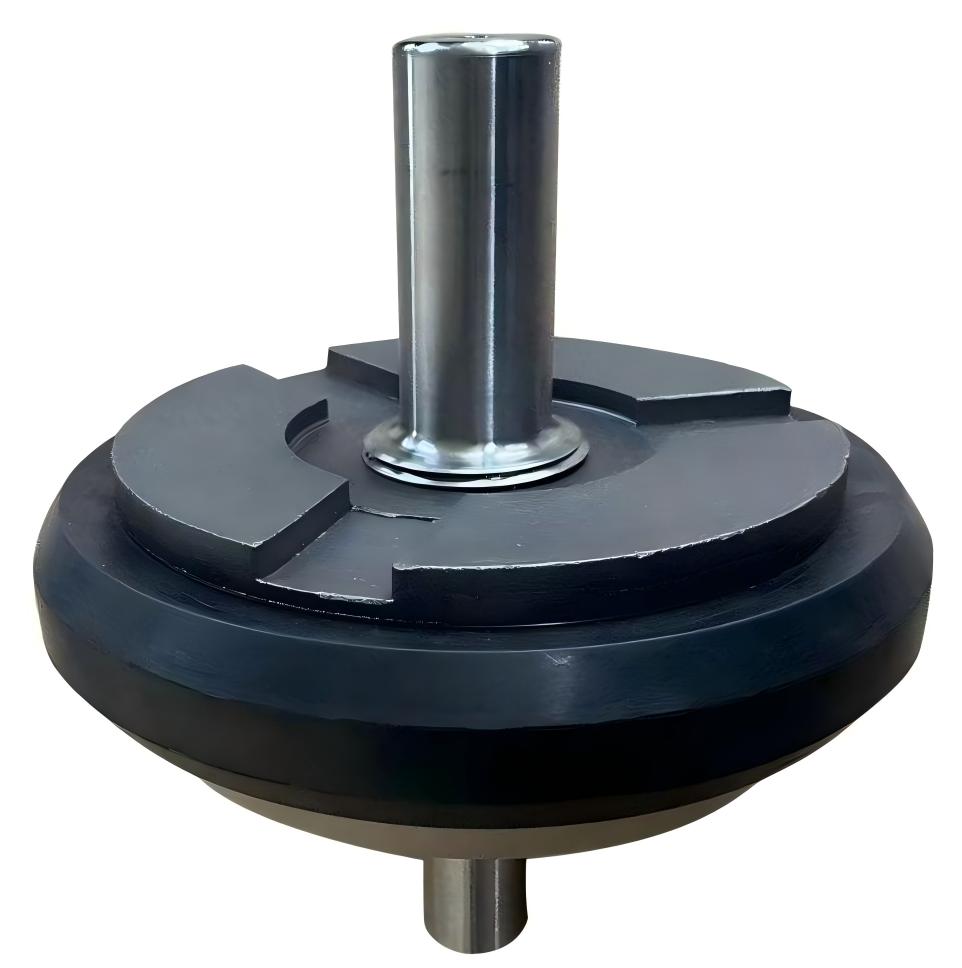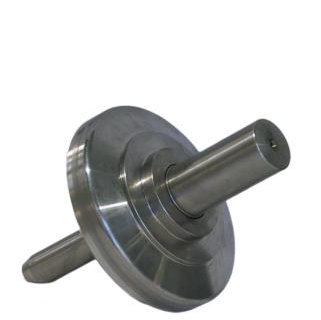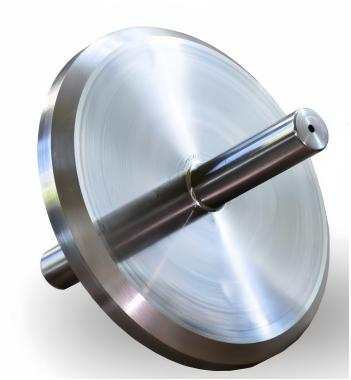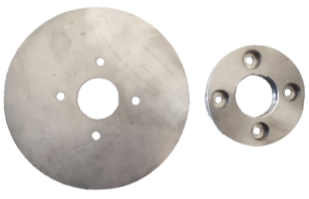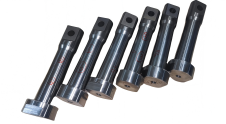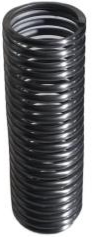
In high-pressure acid leaching (HPAL) processes—whether for gold or nickel-cobalt ores—the operating environment for diaphragm pump check valves is far more severe than in conventional slurry pumping. For gold smelting, high-temperature, high-pressure oxidation pre-treatment (e.g., pressure oxidation) is often employed, while HPAL of nickel-cobalt laterite ores uses concentrated sulfuric acid at temperatures of 200–220 ℃and pressures up to 5MPa. Such high-temperature, strongly acidic media impose extremely high demands on the corrosion resistance of valve materials. Standard stainless steels or conventional rubber seals would fail within hours. Therefore, the sealing components of the valve must be made from specially developed elastomer (e.g. Viton or special EPDM), while metallic parts require corrosion and wear resistant alloys, including duplex stainless steel, Stellite etc.
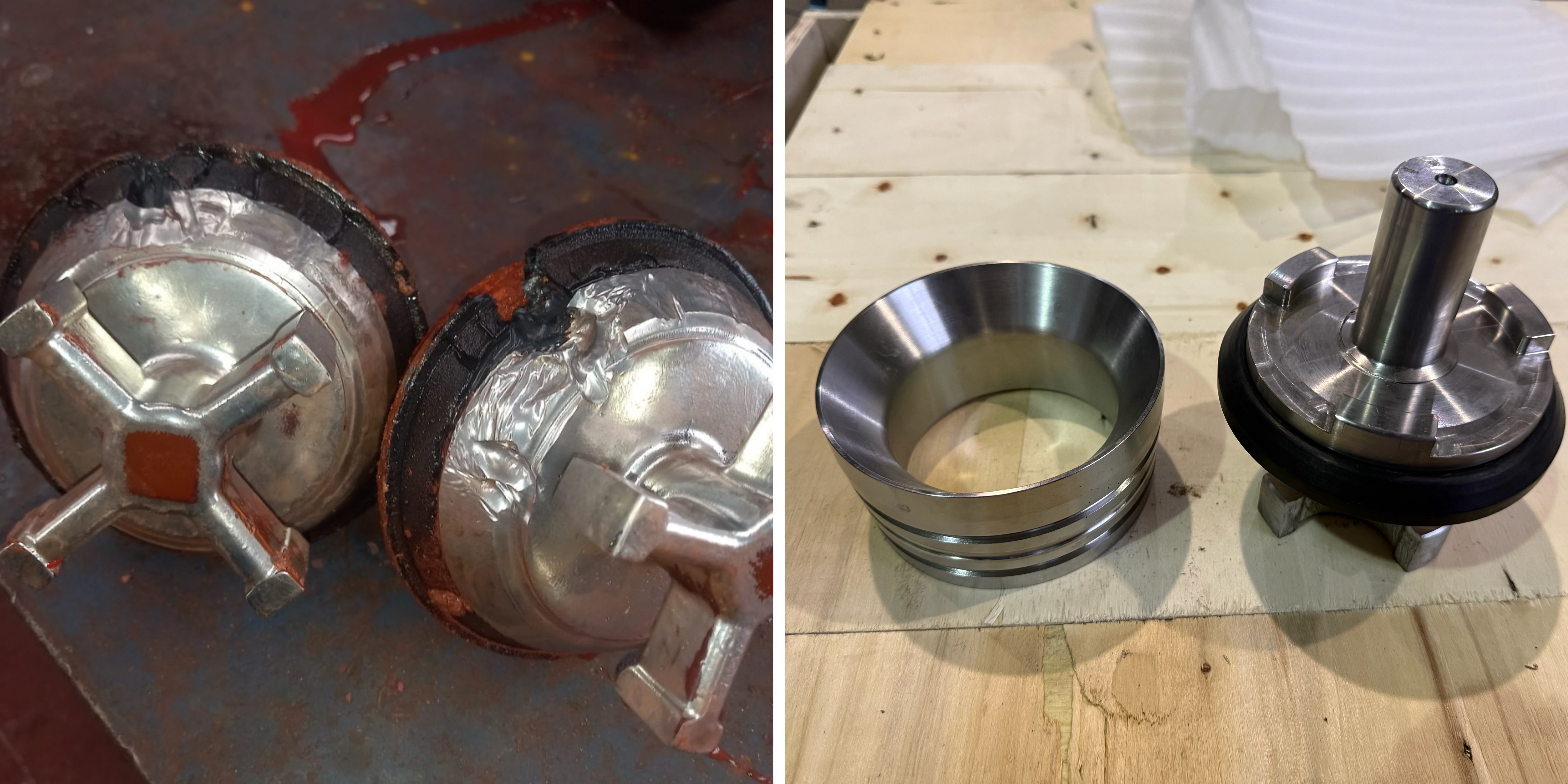
Premature API-5 valves in gold HPAL Tasou all-forged API-5 valve for gold HPAL
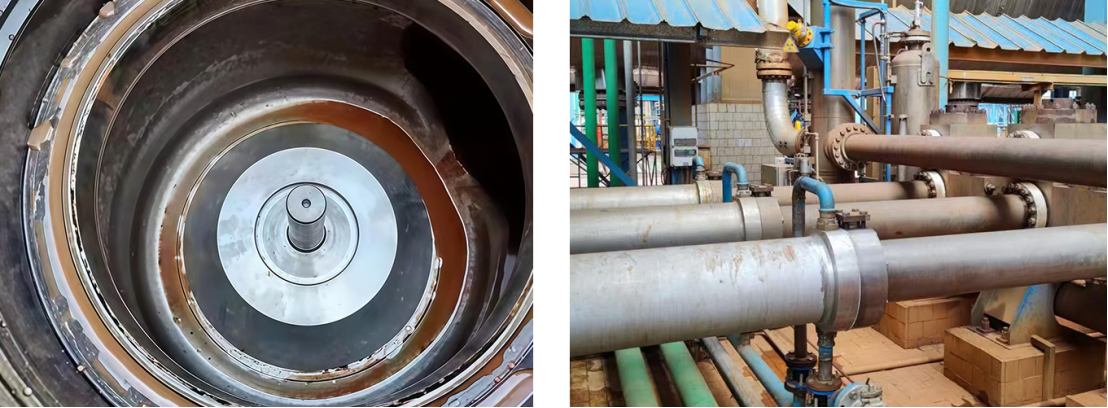
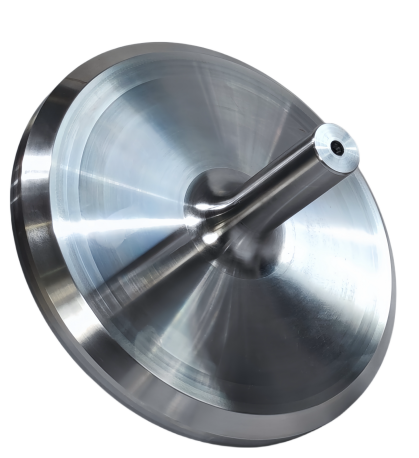
All Metal API-12 valve in valve housing Drop legs of autoclave pumps
Among all the applications we have encountered to date, nickel-cobalt smelting under HPAL conditions is the most severe. Because the operating temperature often exceeds the service limit of most elastomers, the check valve must adopt an all-metal design. The key to extending service life is selecting a metallic material that combines excellent wear resistance, corrosion resistance, and good fracture toughness. Therefore, their chemical composition design, melt protection during processing, and heat treatment windows are extremely narrow—this represents the core manufacturing challenge for diaphragm pump check valves in such aggressive service.
-
API-5 Super Duplex
Gold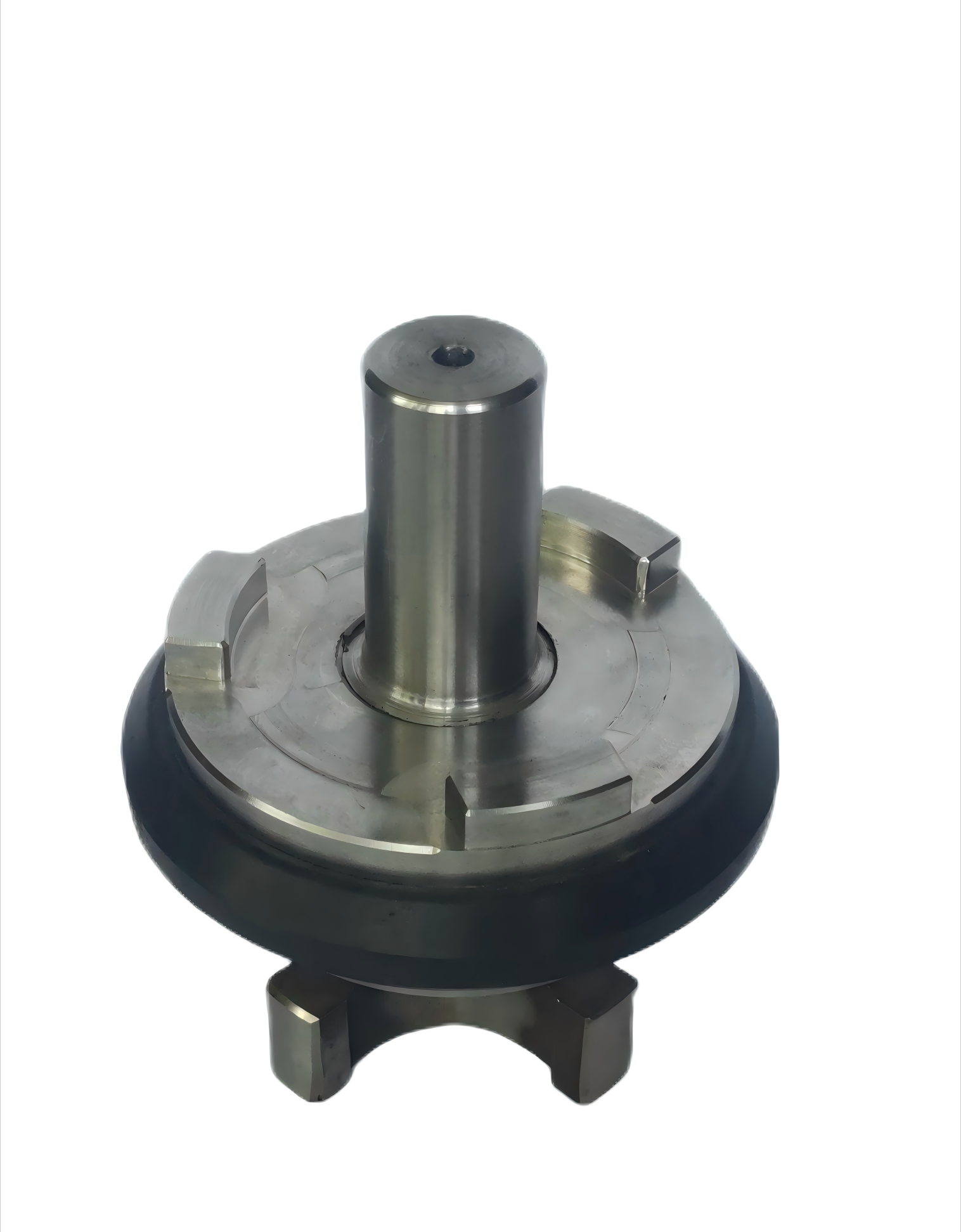
-
API-10 Valve with Cladding
Gold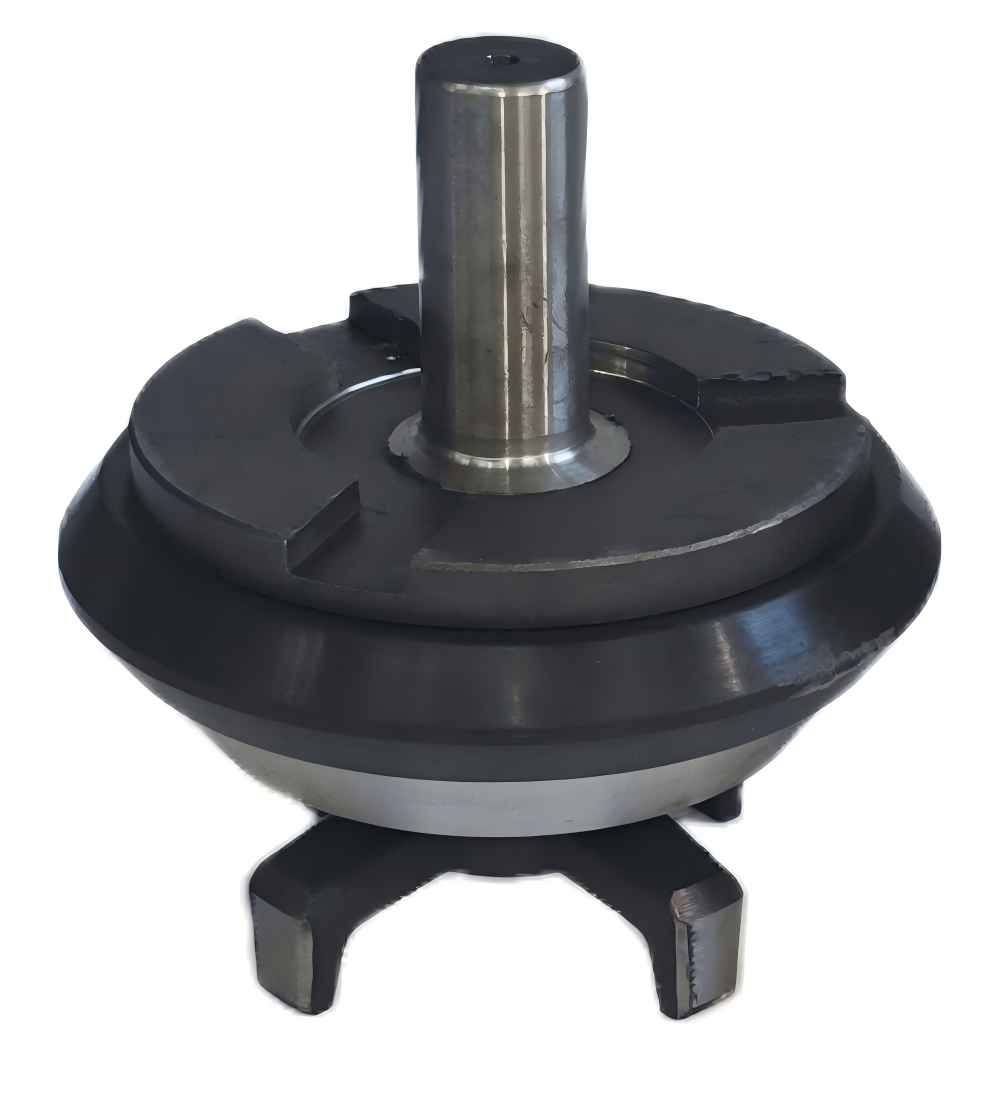
-
API-11 Valve with Cladding
Gold